Queue Callback: Let Callers Hang Up Without Losing Their Place

Queue Callback: Let Callers Hang Up Without Losing Their Place
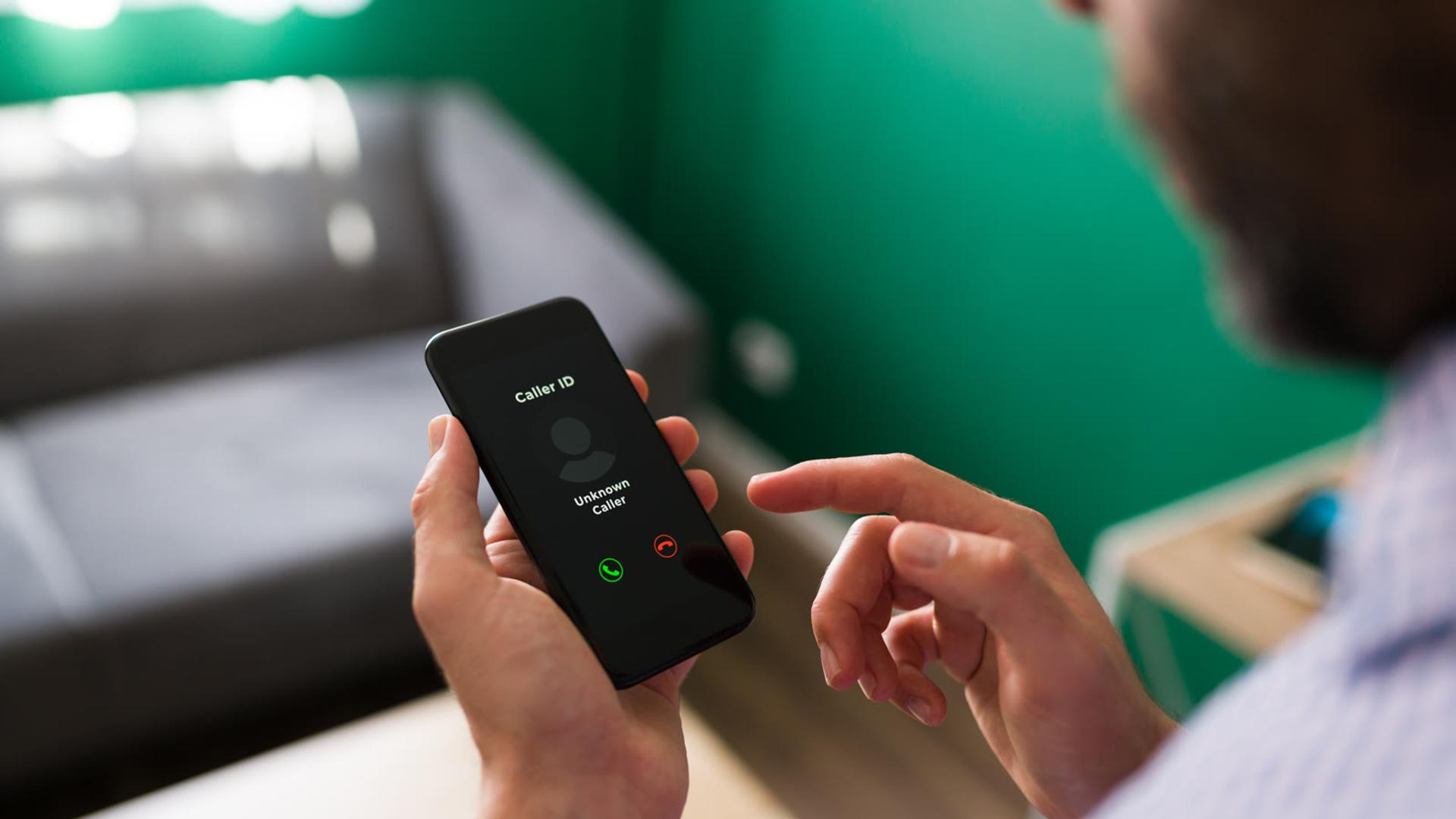
A customer hears that the current wait is twelve minutes and accepts a callback. Twenty minutes later, an unfamiliar number rings once. They miss it, call the main line again and return to the back of the queue. The system completed an outbound attempt; the customer experienced a broken promise.
That gap is why queue callback needs more design than an on/off setting. The offer, number capture, place in line, agent assignment, caller identity, retry policy and recovery path must operate as one service workflow. This guide explains how to design that workflow, test the awkward moments and decide whether it is ready for real demand.
What queue callback changes in a live queue
Queue callback lets a waiting caller request a return call instead of remaining on hold. In a true place-in-queue model, the request keeps an equivalent priority while the caller is disconnected. When the request reaches the front, the platform connects an available agent and the customer through a new outbound call.
The feature is often part of a cloud phone or Contact Centre as a Service (CCaaS) platform. CCaaS means cloud-delivered contact-centre software for routing and managing customer interactions. Product behaviour varies significantly, so buyers should verify the actual workflow rather than assume every “callback” label means the same thing.
Queue callback does not fix a badly designed queue. If callers enter the wrong route, agents lack capacity or nobody owns overflow, replacing hold music with an outbound task only moves the failure. Establish the underlying queue, opening-hours and Interactive Voice Response (IVR) design first. IVR is the menu and prompt system that gathers caller choices and directs calls. The SessionTalk guide to hosted PBX call queues and IVR covers that baseline design.
The callback layer should then answer a more specific question: how can this caller leave now and reconnect later without losing priority, context or confidence?
Distinguish three callback promises
Teams can use “callback” to describe three different services. Name the model precisely in requirements, prompts and reports.
Immediate callback creates work now
An immediate callback records the request in an outbound work list, but it does not necessarily preserve the caller's queue position. The request competes according to separate priorities and staffing. Give callers a realistic time window, and distinguish an accepted request from a completed conversation in reporting.
Place-in-queue callback preserves relative priority
An in-queue or virtual-queue callback allows the customer to hang up while the request progresses against waiting voice demand. The platform may preserve an exact position or calculate an equivalent priority using wait time and queue conditions.
Ask the supplier which method it uses. Exact numerical position can be misleading because new priority contacts, transfers and staffing changes alter the queue. It is often safer to promise that the customer will retain priority than to promise they will be “caller number four” at the moment of return.
Scheduled callback reserves a later window
A scheduled callback lets the customer select or accept a future time. It suits planned specialist conversations but needs reserved capacity, timezone handling and a route when the assigned person becomes unavailable. Treat it as an appointment service with its own completion and rescheduling measures.
Draw the two-leg journey before choosing settings
A callback is a linked pair of calls. Leg one is the inbound contact and request. Leg two is the return connection. Map both from the customer's and agent's perspective before configuring thresholds.
A complete place-in-queue journey usually follows this sequence:
- The caller reaches an eligible queue during a supported period.
- The system decides whether to offer callback using wait, queue-depth and capacity rules.
- A prompt explains what will happen and any relevant time estimate.
- The caller confirms the callback number and request.
- The system creates one request with an identifier, queue, priority and timestamp.
- The request advances while duplicate attempts are suppressed.
- At the release point, an agent is reserved or alerted according to the platform's connection method.
- The outbound leg presents a recognisable business caller identity.
- The customer answers and is connected to an agent with the original context.
- The request is recorded as completed, retried, expired or moved to an owned recovery path.
Put an owner beside every transition. Telephony may own prompts and caller identity, operations may own thresholds, and customer service may own failed requests. “The platform handles it” is not ownership.
Decide the connection order as well. Some platforms call the customer first and then search for an agent. That can leave the customer listening to silence or hold music after answering. Others reserve an agent first and then dial the customer, which protects the customer experience but may consume agent time during ringing. Test the actual sequence and choose a maximum connection delay.
Offer callback only when the promise is credible
An offer shown too early can shift manageable calls into unnecessary outbound work. An offer shown too late arrives after impatient callers have already abandoned. Use more than one signal.
Candidate rules include:
- predicted wait exceeds a defined threshold;
- queue depth is above a level that available staff cannot clear promptly;
- at least one suitably skilled agent group is expected to remain staffed;
- the current time leaves enough room to complete the callback before closing; and
- the queue is not already carrying more callback requests than it can fulfil.
Treat predicted wait as an estimate. If it is unstable, say “we will call when your request reaches the front” and disclose the supported hours.
Eligibility may vary by queue. A general sales queue might offer callback widely. A fraud, safeguarding or emergency route may need live handling or a specialist alternative. Anonymous callers can still be eligible if they enter and confirm a valid number, but the operation should decide whether international, premium-rate or blocked destinations are permitted.
Watch the interaction between callback and skills-based routing. A returning billing request should not lose a mandatory authorisation merely because it has waited. Preserve the required skill, define when preferences can widen and provide an owned route when no eligible agent remains.
Confirm the number and explain the bargain
Calling Line Identification may supply the inbound number, but it is not always the right callback destination. A customer may call from a reception desk, shared device or withheld line. Read back or display the proposed number and let the caller confirm or replace it.
Validate permitted country formats, normalise prefixes and repeat the final digits. If a number cannot be accepted, explain the next available route rather than disconnecting.
Keep the consent message proportional and clear. The caller should understand:
- which business will call;
- which number will be used;
- whether priority is retained or a later slot is booked;
- the expected or supported callback period;
- how many attempts may occur; and
- what happens if the call is not answered.
A queue callback request is permission to make the service call the customer asked for. It should not silently become marketing consent. Store only the request data needed for fulfilment and retention rules, and protect it like other customer contact information.
After confirmation, play a concise success message. “Your request is recorded for 07700 900123. We will call from our published business number when your place reaches the front. If you miss the first call, we will try once more within ten minutes” is much more useful than “callback registered”. Use timings that match the configured policy.
Preserve priority without producing a new queue problem
A virtual queue still consumes future capacity. If every waiting caller accepts callback, the visible live queue can shrink while a large hidden workload accumulates. Supervisors need a combined view of live callers and pending requests.
Define how a request ages. A simple model records the original queue-entry time and makes the callback eligible when its equivalent position reaches the front. If live priority rules can overtake it, cap how long that can continue. Otherwise a customer who trusted the offer may wait longer than somebody who stayed on hold.
Do not release several callbacks merely because several agents change status at once. Pace the requests against agents who can actually handle them and allow for ringing, no-answer and after-call work. A temporary burst of outbound legs can block fresh inbound capacity and produce another spike.
Agent reservation needs a timeout. If an agent accepts the task but their endpoint does not ring, the request should return to an eligible pool or recovery queue. For remote staff, availability must reflect both agent state and device reachability—not simply a green presence icon.
Make the return call recognisable and useful
Customers often ignore unknown calls, especially after a delay. Present an approved, consistent business number that can receive a return call where possible. The number should match the identity announced during the request. Avoid rotating through unrelated geographic numbers merely to improve answer rates.
The agent needs context before speaking. At minimum, show the source queue, customer number, request time, original IVR choice, wait already incurred and any linked account or case. If the customer must repeat every detail, callback has removed hold time but not effort.
Write a specific opening: “Hello, this is Sam from Northfield Support returning the callback you requested about billing.” It confirms the business, reason and customer action. The agent should never begin with “You asked us to call?” and make the customer reconstruct the journey.
Voice over Internet Protocol (VoIP) carries calls over an IP network. Session Initiation Protocol (SIP) commonly establishes and manages those sessions, while a softphone is an application that gives an agent business calling on a computer or mobile device. In a callback workflow, those endpoints must receive the reserved outbound task, present the right customer context and send the approved business identity. A correct queue event is not a completed service if the agent's app never alerts or audio fails.
Give missed attempts a finite recovery path
An unlimited retry loop wastes capacity and can feel like harassment. One attempt is often too brittle for a customer who may be temporarily unavailable. Select a small, disclosed number of attempts and a spacing rule based on the service context.
For each no-answer, busy, rejected and invalid-number result, define a separate next action. A sensible policy might retry a no-answer once, stop immediately on an invalid number, and send an owned case to the service team when a high-priority request repeatedly fails. Do not present such examples publicly until they match the real configuration.
Set an expiry time. A place-in-queue request should not emerge the next day as an unexplained call unless that possibility was promised. At closing time, either complete supported requests, move them into an explicitly communicated next-day service or offer another channel.
Suppress duplicates using the request identifier, number, queue and active status. If the caller rings again while a callback is pending, the IVR or agent should be able to see the existing request. Decide whether the new contact cancels, merges with or leaves it active. Without this rule, the same customer may receive two calls from different agents after the issue is already resolved.
Plan for closing time, demand spikes and outages
Normal traffic does not expose the most damaging gaps. Write policies for three edge conditions before launch.
The queue is near closing
Stop offering place-in-queue callback when remaining staffed time is insufficient. If next-day service is available, state the day and window clearly and create owned work. Never play an in-hours promise that the operation cannot complete.
Demand rises faster than staffing
Limit new offers when pending callbacks approach available completion capacity. Keep the live announcement accurate and give supervisors one control to pause offers without deleting existing requests. Preserving already accepted promises should take priority over creating more.
The phone platform or network is impaired
A local outage may make callback attractive precisely when agents cannot place outbound calls. Define whether requests can be captured safely, how they survive recovery, who validates the backlog and what message callers hear. Avoid creating requests with no durable record or owner.
Run a pilot that tries to break the workflow
Use a small queue, representative agents and controlled external numbers. Include office and remote endpoints if both are used in production. Test these four scenarios.
- Peak demand: create enough inbound contacts to trigger the offer, accept several callbacks and verify pacing, priority and agent reservation.
- Missed customer answer: ignore the first return call, observe caller identity and confirm the configured retry or recovery action occurs once—not repeatedly.
- Agent or device failure: make the assigned softphone unreachable and check that the request returns to an eligible destination without losing its age or context.
- Closing-time transition: accept a request near the cut-off and prove that prompts, expiry and next-day handling match the stated promise.
For every test, retain the request ID and timestamps for offer, acceptance, eligibility, agent assignment, outbound attempt, answer and completion. Compare the event log with what the caller and agent actually experienced. A technically successful event can still contain twenty seconds of silence, misleading caller identity or missing context.
Read a callback scorecard as a service story
Avoid judging the pilot by queue abandonment alone. Callers who select callback are no longer holding, so abandonment can fall even if return calls fail. Read a balanced set of measures:
- offer rate among eligible callers;
- acceptance rate when the offer is presented;
- time from request to first attempt;
- percentage of requests answered and connected to an agent;
- callback completion after the first and later attempts;
- retries, expiries and invalid-number outcomes;
- repeat inbound contacts while a request is pending;
- agent reservation failures and endpoint no-answer events; and
- complaints or contacts mentioning an unexpected or missed callback.
Segment results by queue, time period and callback model. A strong general-support result can hide failures in a small specialist queue. Review a sample of failed and unusually delayed requests each week, assign a reason and change one control at a time.
Make callback a promise the operation can keep
Queue callback works when the two call legs stay connected by clear rules: a credible offer, a confirmed number, protected priority, suitable agent capacity, recognisable caller identity, finite retries and an owned ending. Design the failure paths before promoting the convenience, then measure completed conversations rather than generated requests.
If your existing queue platform will route callbacks to desktop and mobile agents, include those endpoints in a focused SessionCloud trial. Test SIP provisioning, business caller identity, incoming alerts, device reachability and return-call handling with a representative group under real peak-demand conditions. SessionCloud is not the queue-callback engine; the trial is a practical way to prove that managed agent softphones can support the voice leg your chosen workflow depends on.