VoIP Toll Fraud Prevention: Stop Unauthorised Calls Before the Bill Arrives
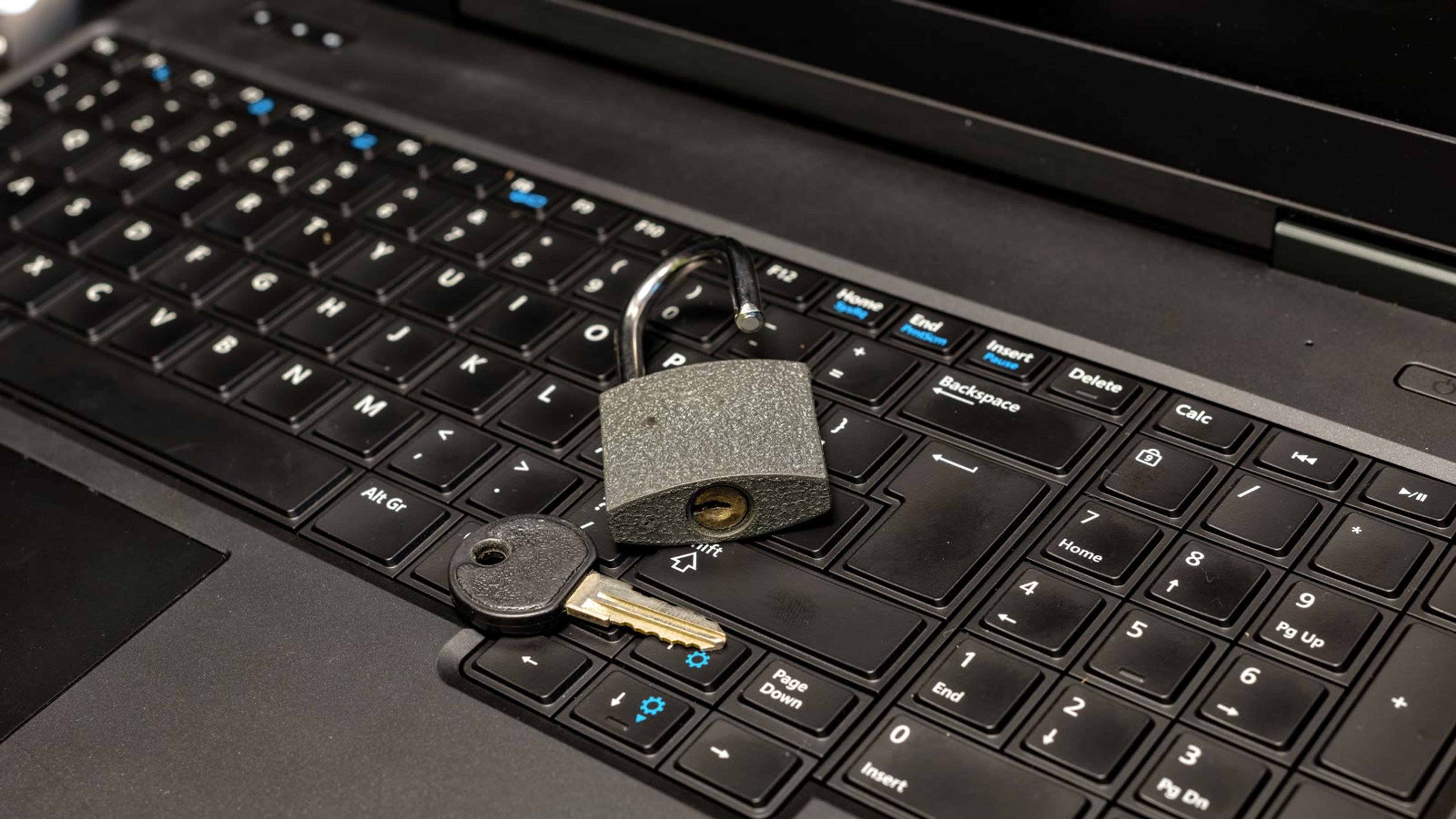
VoIP Toll Fraud Prevention: Stop Unauthorised Calls Before the Bill Arrives
Toll fraud rarely announces itself with a dramatic system failure. A compromised account can keep registering normally, receiving calls and looking healthy while it places expensive outbound calls after the office closes. The first obvious sign may be a provider alert, an exhausted credit limit or a bill that nobody can explain.
Voice over Internet Protocol (VoIP) carries calls over IP networks, while Session Initiation Protocol (SIP) commonly handles registration and call setup. That flexibility lets people use desk phones, mobile softphones and remote extensions—but it also means a stolen credential or over-permissive feature can become a route to chargeable destinations.
Effective VoIP fraud prevention is therefore not one firewall rule or one password change. It combines strong identities, deliberately restricted calling permissions, useful monitoring and a response that has been rehearsed before an alarm arrives.
Why toll fraud accelerates when nobody is watching
Attackers benefit from time. A Friday-night compromise may run for hours before a finance or IT contact notices. Automated dialling can test many destinations quickly, and a valid extension may not trigger the same attention as a complete service outage.
The business impact is wider than call charges. Administrators may need to suspend outbound traffic while investigating, legitimate users can lose service, provider and internal teams must review logs, and compromised credentials may reveal weaknesses in other systems. Prevention should therefore aim to limit both the probability of misuse and the maximum exposure if one control fails.
Start with two questions:
- What can this identity call if it is compromised?
- How quickly would somebody notice behaviour that is abnormal for this identity?
A warehouse handset that only calls UK landlines does not need the same permissions as an executive travelling internationally. A reception softphone that normally stops at 18:00 should not be able to create an unnoticed burst of overnight calls. Controls become more effective when they reflect how each user and device genuinely works.
Four routes into a business calling environment
Treating every incident as “a hacked phone” can send the response in the wrong direction. Toll fraud can begin through several distinct paths, and each leaves different evidence.
A compromised SIP endpoint
An attacker obtains the SIP username, authentication ID or password used by a desk phone, gateway or softphone. The attacker may register from a new address, or exploit an endpoint or PBX that accepts poorly protected requests. Warning signs can include a registration from an unexpected network, repeated failed authentication followed by success, simultaneous registrations, or calls that do not fit the user’s role.
Credentials can leak through reused passwords, screenshots, support tickets, device exports, insecure configuration files or manual setup instructions. Managed provisioning reduces this exposure by keeping reusable secrets out of routine user steps. Our guide to secure softphone provisioning for MSPs explains how zero-touch onboarding and controlled offboarding can shrink that risk.
A privileged PBX account
A private branch exchange (PBX) administrator can change outbound routes, create extensions, reset credentials and alter call limits. If that account is taken over, an attacker may create a fresh route instead of abusing an existing user. Review administrator audit events, newly created accounts, routing changes, disabled alerts and unfamiliar source addresses—not only extension-level call records.
Voicemail dial-through or forwarding abuse
Legacy voicemail features may let a caller authenticate and place an onward call. Unprotected mailboxes, default personal identification numbers, external forwarding and permissive follow-me rules can bypass controls applied to ordinary extensions. Disable dial-through when it is not required, enforce non-default mailbox codes and test whether forwarded calls inherit the intended destination restrictions.
Provider portal or social-engineering abuse
The entry point may sit above the PBX. An attacker who controls a provider portal, billing login or support interaction could change limits, reset credentials or request routing changes. Multi-factor authentication (MFA)—a second verification factor beyond a password—should protect privileged portals where available. Providers should also have a documented process for authenticating urgent change requests.
Build toll-fraud controls in three connected layers
A useful design assumes that one safeguard will eventually fail. Each layer should either stop the next step or reduce the possible damage.
Layer 1: protect identities and administrative access
Give every SIP endpoint a unique, randomly generated secret rather than a memorable shared password. Never reuse it for a portal or PBX administrator. Rotate exposed credentials immediately; changing the user’s application password is not enough if the SIP authentication secret remains valid.
For administrators:
- require MFA where supported;
- issue named accounts instead of sharing an “admin” login;
- grant only the permissions each person needs;
- restrict management access by network, virtual private network or trusted address where practical;
- remove dormant accounts promptly;
- alert on logins and configuration changes from unusual locations;
- keep the PBX, session border controller, gateways and endpoints on supported, patched versions.
Transport Layer Security (TLS) can protect SIP signalling in transit, and Secure Real-time Transport Protocol (SRTP) can protect call media. Both are valuable privacy controls. They do not, however, stop an attacker who already has valid credentials from placing an authorised-looking call. Encryption belongs beside identity, routing and monitoring controls—not in place of them.
Layer 2: restrict what each identity can do
Default-deny is easier to defend than unlimited calling. Begin with the destinations each role requires and add exceptions deliberately.
Practical controls include:
- blocking international, satellite and premium-rate destinations unless there is a documented need;
- allowing international calling only for named users or a separate route;
- applying per-user, per-trunk or per-customer concurrent-call limits;
- setting daily spend, duration or call-count thresholds where the platform or provider supports them;
- using time-of-day policies for extensions that should be inactive overnight;
- preventing arbitrary external call forwarding;
- restricting registrations to expected countries, networks, devices or IP addresses where working patterns permit;
- separating test, customer and administrator accounts so one credential cannot unlock every route.
Do not set a limit and forget it. A threshold far above normal usage may only produce an alert after substantial activity, while one set too low encourages staff to disable it. Use actual call patterns, then test how the control behaves during a legitimate busy period.
Layer 3: monitor behaviour, not just availability
A green service-status dashboard says calls can be made; it does not say the calls are legitimate. Monitoring must examine who called, where, when, how often and at what cost or risk level.

Turn Call Detail Records into an early warning system
A Call Detail Record (CDR) is a log of call metadata such as source, destination, start time, duration and outcome. CDRs generally do not contain conversation audio, but they can reveal patterns that availability monitoring misses.
Build a baseline from recent legitimate activity. For each department or extension group, note:
- usual operating hours;
- normal destination countries and number ranges;
- typical concurrent-call count;
- ordinary call-duration range;
- expected daily and weekly call totals;
- users who travel or work variable shifts;
- predictable peaks such as a campaign launch or support incident.
Then alert on meaningful deviations. Examples include the first call to a high-risk destination, repeated short calls to sequential numbers, a sharp increase in failed calls, sustained concurrent calls from one identity, a dormant extension becoming active, or overnight traffic from a daytime-only team.
Alerts need an owner and an action. “Unusual activity detected” is not enough. The notification should identify the account, time window, destination pattern and a safe way to reach the response team. A serious alert should reach more than one person through a channel that does not depend on the affected phone system.
Retain the logs needed for investigation according to your operational, contractual and privacy requirements. Confirm whether the PBX, service provider or both hold CDRs, registration history and administrator audit logs. If nobody can answer that before an incident, the evidence may be unavailable when it matters.
Decide who owns each control before an alarm
Toll-fraud prevention crosses organisational boundaries. Write down responsibilities instead of assuming the provider handles everything.
The business customer owns user need and internal response
The customer should approve who can call restricted destinations, maintain current joiner/mover/leaver records, protect user and administrator accounts, name incident contacts, and decide which business services can be temporarily suspended. Finance should know how to escalate an unexpected spend alert without waiting for the next billing cycle.
The PBX administrator owns configuration and evidence
The administrator applies dial-plan restrictions, extension permissions, voicemail policy, registration controls, patching, logging and alert routing. They should be able to revoke an extension, disable an outbound route and export relevant logs without improvising under pressure.
The service provider owns network-side safeguards and escalation
Ask the provider which destination blocks, credit thresholds, anomaly alerts and emergency suspensions are available. Confirm the 24-hour fraud contact method, what authentication is required, which actions can be taken immediately, and how service is restored. The provider may see network-level activity that the customer PBX does not, but it cannot infer every legitimate business pattern.
Broader controls for remote devices, networks and supplier access should sit in a wider cloud PBX security review. Toll-fraud controls are one focused part of that programme.
The first 30 minutes after a credible alert
Speed matters, but deleting evidence or changing everything at once can hide the entry path. Use a short sequence with named decision-makers.
Minutes 0–5: validate without delaying containment
Record the alert time, affected identity, destinations, current call count and who received the notification. Check a trusted dashboard or CDR source rather than clicking links in an unexpected alert. If active traffic is clearly unauthorised, move straight to containment.
Minutes 5–10: stop the expensive path
Contact the provider through the pre-agreed emergency route. Block the affected destination classes, extension or outbound trunk according to the scope you can establish safely. If the source is unclear and calls are continuing, a temporary wider outbound block may be justified; preserve inbound and emergency-calling arrangements where the platform design allows.
Do not rely only on logging the user out of a softphone. Revoke or rotate the underlying SIP credential, active tokens and relevant sessions. If an administrator account may be involved, restrict management access and use a known-clean account to preserve control.
Minutes 10–20: preserve the trail and identify the layer
Export CDRs, registration events, administrator audit logs, routing configuration and provider case details. Record timestamps and time zones. Look for new accounts, changed routes, unfamiliar registrations, voicemail access and forwarding changes. Avoid wiping or rebuilding the suspected device before useful evidence has been captured.
Minutes 20–30: set the recovery boundary
List what is confirmed, what remains uncertain and which services are contained. Inform the internal incident owner, finance contact and affected operational lead. Agree the minimum safe service to restore, the controls required before restoration and the monitoring window afterwards. Keep a written timeline; it will improve provider discussions and the later review.
If personal data or regulated systems may be involved, involve the appropriate privacy, legal or compliance contact. Toll fraud itself does not prove that call content or personal data was accessed, but the entry path may expose a wider issue that needs separate assessment.
Restore calling without reopening the same route
Recovery is not complete when the calls stop. First identify the likely path and close it. A compromised endpoint may require a new SIP secret and a rebuilt configuration. An administrator takeover may require password and token revocation, route review, account cleanup and access-log analysis. Voicemail abuse requires feature and mailbox-policy changes, not merely an extension reset.
Restore in stages:
- keep unnecessary destination classes blocked;
- enable a small set of known users with fresh credentials;
- place controlled test calls to approved destinations;
- confirm that blocked destinations really fail;
- watch registrations, CDRs and spend alerts in real time;
- expand access only when the test group behaves normally.
Ask the provider to confirm which network-side blocks and thresholds remain active. Document every temporary control and assign an expiry review so emergency settings do not quietly become permanent, confusing policy.
Within a few working days, run a short review. Identify the earliest signal, the delay before action, the control that limited impact and the information that was hard to obtain. Convert each finding into an owner and due date. The goal is not to assign blame; it is to make the next alert easier to understand and faster to contain.
A 30-day VoIP fraud prevention programme
Smaller teams can improve their position without a large security project. Sequence the work so the highest-risk permissions and slowest response gaps are addressed first.
Week 1: map exposure
Inventory SIP trunks, PBXs, gateways, softphones, desk phones, voicemail features, portals and administrator accounts. Record which identities can call international or premium destinations. Disable unused accounts and features. Confirm the provider’s emergency contact and after-hours authentication process.
Week 2: reduce privilege
Apply destination restrictions by role, set concurrent-call and spend controls, protect privileged accounts with MFA, and replace shared administrative access. Review forwarding and voicemail dial-through. Move user setup away from visible, reusable SIP credentials where practical.
Week 3: make abnormal activity visible
Create CDR baselines for the busiest and highest-risk groups. Route high-severity alerts to at least two people. Test notifications after hours. Confirm that an alert contains enough detail to make a containment decision without searching several systems.
Week 4: rehearse the shutdown
Run a tabletop drill: a sales extension begins calling an unfamiliar international range at 02:00. Time how long it takes to reach the provider, suspend the route, revoke the identity, retrieve logs and authorise a limited restoration. Record gaps and repeat the drill after fixes.
Quick answers for business and IT teams
Can a firewall prevent VoIP toll fraud?
A firewall can restrict exposure and block unwanted network paths, but it cannot determine whether every call made with valid credentials is legitimate. Combine network controls with strong identities, destination policy, call limits and behavioural monitoring.
Does TLS stop SIP fraud?
TLS protects SIP signalling while it travels between supported endpoints. It helps prevent interception and tampering in transit. It does not stop misuse of a stolen valid credential, an over-privileged administrator or an abused voicemail feature.
Should a business block all international calls?
Block destination classes that the business does not need. Where international calling is necessary, grant it to named roles, apply sensible limits and alert on new countries or unusual times. A narrower permission is more useful than an organisation-wide exception.
What should be prepared before contacting the provider?
Keep the account identifier, authorised contacts, emergency number, authentication method and requested containment actions in an accessible incident note. During an event, provide affected identities, destination patterns, timestamps with time zones and whether calls are still active. Never send SIP passwords through an unverified channel.

Make the cost ceiling and response time deliberate
VoIP toll fraud prevention works best when the business assumes a credential or feature could eventually be misused. Unique identities reduce easy compromise; destination and concurrency policies limit what a valid identity can do; CDR monitoring shortens detection; and a rehearsed runbook turns an alarming spike into a controlled operational response.
If mobile calling is part of your environment, run a focused SessionCloud trial with a small softphone group. Use the trial to test how your team provisions access, revokes a departing or suspected user, applies provider-side calling controls and observes registration and call behaviour before expanding the deployment.