VoIP Wholesale vs Retail: A Guide for Resellers

Tom Reed · Updated 17 November 2026
Wholesale VoIP is carrier capacity, such as SIP trunks, call termination and phone numbers, sold in bulk to providers who resell it. Retail VoIP is the finished phone service a business buys: extensions, call flows and apps for its staff. For most resellers the better business is selling the retail platform on top of a wholesale trunk, for example SessionPBX, a multi-tenant hosted PBX you can run on your own servers or have SessionTalk host.
This guide is for ITSPs, VoIP providers, MSPs and IT resellers deciding what to put in front of customers. It explains each layer, who buys it, what you own at each one and how the two fit together, without prices or rates.
What is wholesale VoIP?
Wholesale VoIP, sometimes called wholesale SIP trunking, is the supply side of voice. A wholesale VoIP provider sells trunks, origination and termination, and phone numbers in bulk, usually per channel or by usage. The buyer is another provider or reseller, not a business that just wants phones on desks.
Wholesale is a capacity product. It gets calls onto and off the public network, and it says nothing about extensions, menus, voicemail or apps. If you search for wholesale VoIP you will mostly find carriers selling exactly this, so it is a useful input for a reseller but rarely the product the end customer experiences.
What is retail VoIP?
Retail VoIP is the phone system a business actually buys and uses. It is made up of extensions, numbers managed in a portal, call menus, queues and apps on staff phones and laptops, and it is usually sold per seat. The buyer is the end business, and the relationship is about service rather than capacity.
For a reseller, this is where the customer relationship lives. The customer asks who sets up a new starter, who changes the opening-hours greeting and who answers when something breaks. That person is the retail provider, whatever trunk sits underneath.
Wholesale vs retail VoIP: what's the difference?
The short version is who buys it and what is sold: capacity versus a finished phone system. Here is the comparison side by side.
| Wholesale VoIP | Retail VoIP (hosted PBX) | |
|---|---|---|
| What's sold | SIP trunks, termination, DIDs (wholesale SIP trunking) | A business phone system: extensions, call flows, apps |
| Buyer | Providers, resellers, ITSPs | End businesses |
| How it's priced | Per channel, per minute or bundle | Usually per seat or user |
| What the reseller owns | Little beyond the trunk | The customer, onboarding, support and the platform tenant |
| Competes on | Rate and capacity | Features, service and fit |
| Where SessionPBX sits | Not here: bring your own trunk from any SIP-compliant carrier | Here: multi-tenant, self-hosted or hosted by SessionTalk, with SessionTalk apps |
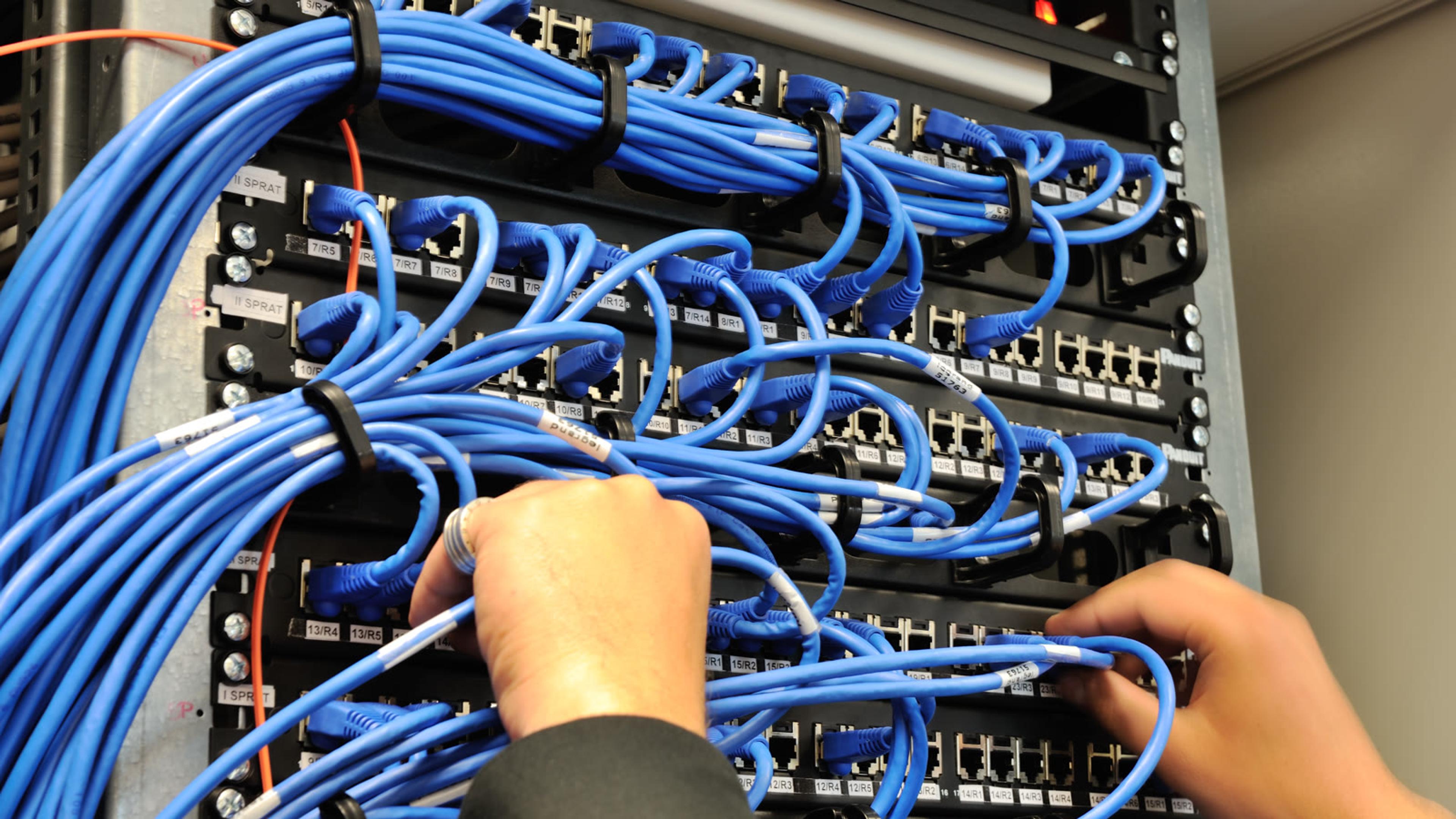
Why do VoIP resellers sell the platform rather than minutes?
Minutes are a commodity. Buyers shop wholesale VoIP on rate and capacity, which means a reseller who only passes minutes along competes on price and can be swapped out easily. The retail platform is different: it is where onboarding, support and day-to-day changes happen, so it is stickier and easier to differentiate.
None of this needs figures to be true. Our own look at how MSPs think about voice pricing stays qualitative, and our comparison of reseller and referral agent models shows how much of the value sits with whoever owns the customer relationship. If you already sell trunks, this is the layer to add.
How do wholesale and retail fit together?
They are layers of one stack rather than rival choices. At the bottom is a wholesale SIP trunk from any SIP-compliant carrier, or your own if you are an ITSP. Above it sits a multi-tenant PBX with one tenant per customer. On top are softphone apps on the users' devices.
- Trunk: bring your own, from any SIP-compliant carrier
- PBX: one tenant per customer, with its own numbers, extensions and call flows
- Apps: the softphone apps your customers' users run
If you are choosing the bottom layer, our guide on how to choose a SIP trunk provider covers what to look at, and multi-tenant PBX for MSPs explains the middle one. A trunk provider adding a PBX is covered in adding hosted PBX to a SIP trunk business. The apps are the softphone apps your customers' users run, on Windows, macOS, iOS and Android.

Self-hosted or hosted: where does the retail platform run?
For most partners with their own infrastructure, self-hosted multi-tenant SessionPBX on your own servers is the stronger fit. Self-hosting is for approved partners, with annual licences, and you cover the server, hosting and network costs. Many customers run on one server, each kept separate. Our guide to self-hosted PBX for VoIP resellers goes into the detail.
If you would rather not run anything, SessionTalk can host it for you, in London, New York or Singapore. In that case each customer gets their own project under your partner account, and you manage its extensions, numbers, SIP trunk and call flows. Either way the customers get the same apps and the same admin experience.
How to become a VoIP reseller
If you are asking how to become a VoIP reseller, the steps are short. Pick a platform and a trunk, decide where the platform runs, set up a tenant for each customer, onboard their users and agree how you will support them. Then bill on your own terms.
For the longer version, read our guide to being a hosted PBX reseller, the checklist on how to choose a VoIP reseller program and the plan for how to start a VoIP business as an MSP or ITSP. To apply for SessionPBX itself, use the partner programme.
Checklist: moving from selling minutes to selling a platform
Use this list to plan the move, in order:
- Keep (or choose) a wholesale SIP trunk from any SIP-compliant carrier.
- Decide where the platform runs: your own servers (self-hosted SessionPBX, multi-tenant) or hosted by SessionTalk.
- Set up one tenant per customer, with its numbers, extensions and call flows.
- Pick the plan per customer: Teams Phone for core calling; Teams Business for call flows, IVR, queues, recording and reports.
- Roll out the softphone apps and invite users by email, QR code or setup link. See the SessionTalk softphones and, for desktops, a softphone for PC.
- Decide on app logo branding (included on Teams Business, an add-on on Teams Phone).
- Set up seat billing (see VoIP billing for resellers) and a support path.
Teams Phone and Teams Business are SessionPBX plan names, not Microsoft Teams.
FAQ
What is VoIP wholesale?
VoIP wholesale means carrier services sold in bulk to providers and resellers rather than to end businesses. That usually covers SIP trunks, call termination and phone numbers. The buyer resells or builds on that capacity, and typically adds a phone system or service on top before it reaches a customer.
What's the difference between wholesale and retail VoIP?
The difference is who buys it and what is sold. Wholesale VoIP is capacity, such as trunks and numbers, bought by providers. Retail VoIP is a finished phone system, with extensions, call flows and apps, bought by end businesses. A reseller often buys the first to deliver the second.
Is reselling wholesale VoIP profitable?
It depends, but minutes tend to be price-driven, which makes them hard to differentiate. Most resellers add value with a retail platform, because that is where onboarding, support and the customer relationship sit. We do not quote figures here; test any model against your own costs before you commit.
How do I become a VoIP reseller?
Pick a platform and a trunk, decide whether the platform runs on your servers or is hosted, set up a tenant for each customer and onboard their users. Then agree how you will bill and support them. If SessionPBX is the platform, apply through the partner programme.
Does SessionTalk sell wholesale SIP trunks?
No. SessionTalk does not sell wholesale trunks, minutes, numbers or termination. SessionPBX works with your own SIP trunk from any SIP-compliant carrier, so you keep the carrier relationship you already have, or choose one, and run the retail platform on top of it.
What do users call from?
Users call from the SessionTalk softphone apps on Windows, macOS, iOS and Android. They sign in by email invite, QR code or setup link, and the apps work with the phone system you run for each customer. See the full range on the softphones page.
Sell the platform, not the minutes
Sell the platform, not the minutes: become a SessionPBX partner. If you want to see what your customers would get first, see the SessionPBX features on the hosted PBX page.